Sponsored


-20%


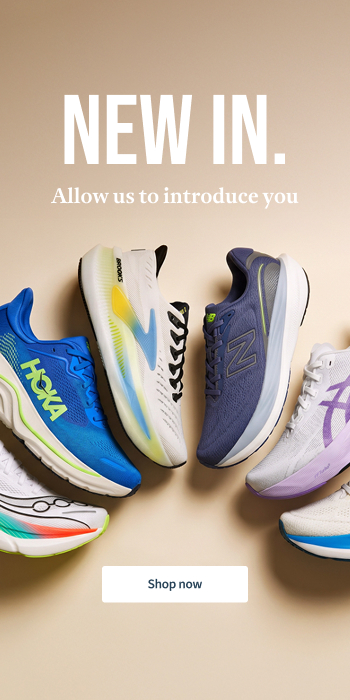


For training miles, go with a well-cushioned trainer rather than a race-day super shoe. Look for responsive foam and a higher stack height to protect your joints over long runs. Most marathoners rotate at least two pairs — a max-cushion daily trainer and a plated one for tempo or long-run days.
Yes, if you're chasing a PR and have already trained in them — they genuinely improve running economy and speed. But they're firm and less forgiving over 26.2 miles, so many runners prefer a softer, unplated shoe for comfort. Either way, test your race shoe on several runs beforehand; never debut it on race day.
A handheld bottle works for runs under 90 minutes, while a hydration vest is better for longer runs where you need several hours of fluid. A waist belt is a good middle ground if you don't like anything on your shoulders. Whatever you choose, pair it with electrolytes and test the whole setup on long runs before race day.
They're popular, but the evidence for a performance boost is mixed rather than proven. Many runners like them for reduced muscle vibration and post-run recovery, particularly for swelling on travel days. They're low-risk to try, but test them in training first, not for the first time on race day.
The Forerunner 265 is the best pick for most road marathoners — it balances performance, comfort, and price. If you want more data and mapping, step up to the Forerunner 970, which adds full-color GPS and deeper training/recovery reports. The Fenix 8 is better suited to trail or ultra runners who need rugged multi-day battery life, and is overkill for most marathoners.
Most runners need about 4–6 gels, taken roughly every 30–45 minutes after the first 45 minutes to an hour. The real target is 60–90g of carbs per hour, so check gel labels rather than just counting them. Practice your exact gel schedule and brand on long training runs so your stomach is used to it on race day.
We use marketing, analytical and functional cookies as well as similar technologies to give you the best experience. Third parties, including social media platforms, often place tracking cookies on our site to show you personalised adverts outside of our website. We store your cookie preferences for two years and you can edit your preferences via ‘manage cookies’ or through the cookie policy at the bottom of every page. For more information, please see our cookie policy.