
The Ultimate Summer Running Gear and Essentials Guide
British summer might not always give us the heatwave we are after, but the warmer weather can still affect our running. With race season upon us, having the right summer gear can make the difference between a frustrating session and beating your personal best.
Even though running in the heat can feel like hard work, negatively impacting our pace by up to 3% for every 5°C temperature rise, the training payoff is worth it. Just 10 days of running in hot weather can increase your performance by 5% as your body adapts, while the University of Oregon found that heat benefits runner's training, so much so in some cases it rivals altitude training.
With tips from the best gear,to advice on hydration, our summer running guide has everything you need to keep cool in the heat to perform at your best.
Upgrading Your Footwear for the Summer Heat
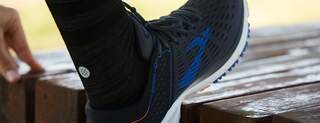
Your running shoes are your most important piece of kit. Winter miles demand insulation and waterproofing. Summer runs bring a totally different challenge. You need to manage heat build-up and keep your feet ventilated.
Why the Heat Changes Everything
- Warm weather leads to hot, sweaty feet.
- Your feet naturally swell when they overheat.
- Excess moisture and swelling create severe friction blisters.
- The right trainers keep you comfortable and blister-free all summer.
What to Look For in Summer Running Shoes
- Prioritise lightweight, highly breathable fabrics over everything else.
- Look for open engineered mesh or premium knit uppers.
- Target shoes with built-in ventilation zones over the toe box.
- Maximise airflow to cool the skin and let trapped heat escape.
- Avoid thick, non-breathable uppers during the hotter months.
Choosing the Right Trail Shoes
- Look for models combining protective toe bumpers with porous mesh panels.
- Ensure the upper offers excellent water drainage and breathability.
- Never sacrifice durability when tackling rough, dusty summer terrain.
Why Precision Fit Matters Most
- Well-fitting trainers are your best defence against summer blisters.
- Your feet need extra room to expand in the heat.
- Proper fit reduces your risk of injury on long, hot runs.
- Pop into your local Runners Need store for a free video gait analysis.
- Our experts assess your biomechanics to find your perfect summer fit.
Staying Safe in Barefoot Running Shoes
- Barefoot shoes feature less material between you and the ground.
- Your feet will absorb significantly more heat from sizzling summer tarmac.
- Consider carrying extra water to pour over your feet on long runs.
Quick Tips for Summer Shoe Shopping
- Always put breathability and fit above waterproofing.
- Try new shoes on in the afternoon when your feet are naturally larger.
- Get a professional fitting to unlock optimal comfort and peak performance.
- Pick the right summer tech to stay cool and enjoy every single mile.

Technical Running Socks: The First Line of Defence Against Blisters
While breathable trainers are essential, your running socks are just as important to keep your feet happy. Sweat moisture trapped inside your shoes increases friction, making summer runs incredibly uncomfortable if you are wearing the wrong layers.
Regular cotton socks tend to hold onto moisture like a sponge, keeping dampness against your skin and softening it, which leads to painful sores. Technical running socks help manage sweat and drastically reduce the risk of rubbing. Look for socks made from synthetic blends or lightweight merino wool engineered with moisture-wicking technology to pull sweat away from your skin.
Key features to look for include mesh ventilation panels under the arch, flat or seamless toe construction to eliminate friction points, and a snug fit that prevents the sock from slipping down inside your shoe.
Why Running Socks Matter in Summer
- Moisture from sweat increases friction, which can cause painful blisters.
- Regular cotton socks tend to hold onto moisture, making the problem worse.
- Technical running socks help manage sweat and reduce the risk of soreness and rubbing.
What to Look for in Summer Running Socks
- Technical and Sweat-Wicking Fabrics: These materials pull moisture away from your skin, keeping your feet dry and comfortable.
- Mesh Ventilation Under the Arch: Extra breathability in key areas helps keep your feet cool during hot runs.
- Flat Seams: Reduce irritation and prevent rubbing that can lead to blisters.
- Snug Fit: A close fit minimises movement inside your shoe, further reducing friction.
Quick Tips for Choosing Summer Running Socks
- Avoid cotton socks - opt for synthetic blends or merino wool designed for running.
- Look for socks labeled as “technical” or “performance” for the best moisture management.
- Consider socks with added arch support for extra comfort on long runs.
Investing in a few pairs of quality, technical running socks will make a noticeable difference in your summer running comfort, helping you stay cool, dry, and blister-free all season long.
Summer Running Clothing
When it comes to running clothing always select sweat-wicking, quick drying, and breathable gear to help keep you cool and running comfortably.
Look for mesh ventilation panels for airflow, seamless construction to avoid nasty rubbing, and UV protection to shield your skin from the sun's harmful rays.
Steer clear of anything cotton; not only does it trap the heat but it soaks up sweat keeping the moisture against your skin increasing your chance of chafing.
Avoid dark clothing as dark colours absorb the sun's heat. Light colours such as white reflect light and heat keeping you cooler.
Breathable Running Tops and Vests
When it comes to your summer running tops, the goal is to choose apparel that feels completely weightless and dries almost instantly. For the hottest days, high-ventilation running vests and singlets offer the least restriction and maximum airflow around your underarms and shoulders.
Although it sounds counterintuitive look for wool layers that are designed to keep you cooler. Wool is naturally sweat-wicking and quick-drying. It's also naturally antibacterial so perfect for running on those hotter days.
Similarly, long-sleeved base layers designed for colder winter days are great for summer running. Although we immediately think of short sleeves or vests to keep cool, tight long-sleeved layers that wick away moisture will keep you cool and have the added advantage of shielding your skin from the burning sun.
Running Jackets
Sometimes light rain is welcome on a hot summer's run to keep you cool, but wet fabrics can quickly become uncomfortable. If the clouds are coming in, try a water-resistant yet breathable jacket to keep rain out without trapping sweat in.
Underwear
- Your underwear on a hot summers run can make all the difference, and we're not just talking bras, this goes for men too.
- Avoid cotton unless you want to truly understand the meaning of not being able to sit down for a few days.
- Ladies, when choosing your perfect sports bra look for added mesh ventilation to keep cool.
Running Tights & Shorts
Thigh chafing is one of the most common disruptions to a great summer run. As salt crystals from your sweat dry on your skin, they create a abrasive texture that causes severe irritation when combined with repetitive running strides.
To combat this, 2-in-1 running shorts are an ideal choice for both men and women. These feature a snug, technical inner compression short that stays firmly in place against your skin to block rubbing, paired with a lightweight, loose outer layer for traditional styling.
If you prefer classic split shorts, ensure they feature a moisture-wicking internal mesh brief.
For those who find running tights more supportive, look for 3/4 length or cropped variations engineered from lightweight fabrics with high elastane content so they move with your stride without trapping heat.
The Reality of Fabrics: Synthetic vs. Natural Fibres
One of the golden rules of summer running is to avoid traditional cotton completely. It absorbs sweat, gains weight, sags, and causes chafing. Instead, look closely at the technical composition of your clothing.
Synthetic fabrics like polyester, nylon, and polyamide are the industry standards for performance. They are incredibly strong, lightweight, hydrophobic (meaning they actively repel water), and spread moisture across a wide surface area so it evaporates quickly.
For a premium natural alternative, look for lightweight merino wool blends. Merino is naturally antibacterial, which prevents bad odors, and it possesses excellent thermoregulating properties that keep you remarkably cool when the temperature spikes.

Hydration Systems and Sun Protection Accessories
Choosing the Right Hydration Kit for Your Distance
Staying hydrated on a hot summer run is vital for your safety, heart rate regulation, and overall stamina. As you sweat, you lose both water and critical minerals called electrolytes, which need to be replaced. How you carry your water depends on your mileage:
For short runs under 45 minutes, an ergonomic handheld water bottle or soft flask with an integrated hand strap allows you to take regular sips without needing to wear a belt or pack.
For mid-distance sessions between 45 and 90 minutes, a running waist belt or hydration pack that sits comfortably around your hips is a great choice. These distribute the weight evenly across your center of gravity and provide small pockets for your keys, phone, and electrolyte tablets.
For long endurance training and trail runs over 90 minutes, a form-fitting hydration running vest is highly recommended. These vests wear like clothing, minimising bounce, and allow you to carry up to two liters of water split between front-loading soft flasks and a rear hydration bladder, alongside ample storage for energy gels and snacks.
To help maintain proper hydration and balanced electrolyte levels during, and after your run, drinking diluted sports drinks or using hydration tablets will provide your body with the best combination of electrolyte replacement and rehydration to stay cool, and run easy.
Essential Sun Care: Caps, Sunglasses, and Sport Sunscreen
Accessories in the summer do more than just complete your look; they act as critical defensive gear against heatstroke, dehydration, and sunburn:
Running Caps
A high-quality running cap or visor keeps the direct sun off your face, shades your eyes, and features an internal sweatband to stop stinging sweat from running into your eyes. Look for unstructured designs made of fast-drying mesh with adjustable straps.
Sunglasses
Your running sunglasses should offer full UV protection to guard your eyes against strain and glare. To ensure they stay secure on sweaty descents, select lightweight frames that feature rubberised grip pads on the bridge of the nose and behind the ears.
Sun Cream
Finally, protecting your skin with sport-specific sunscreen is non-negotiable. Standard sunscreens can easily wash away with heavy sweating, leading to stinging eyes and unprotected skin. Choose a broad-spectrum, high-SPF sport sunscreen that is water-resistant and formulated with zinc oxide. Don't forget to apply a protective balm to your lips and the back of your neck.

Don't Forget!
Hayfever
Don't let hayfever get in the way of enjoying your run.
If you suddenly find yourself struggling more than usual mid-run, it could be hayfever hitting hard. Hayfever can affect your breathing, both from your chest and through your nose, impacting on your cardiovascular performance. When your immune system is working overtime your body is often more tired and your concentration can be lacking.
If you're a sufferer stay away from areas of high air pollution and high vegetation like parks and trails.
Dehydration
Running dehydration is not only hard work, it's dangerous too. Even if you're out on a short run it's important to think ahead to stay hydrated.
Summer Running FAQs
Choose lightweight, sweat-wicking, and breathable fabrics to keep cool and dry during summer runs. Look for mesh ventilation panels, seamless construction to prevent chafing, and UV protection to shield your skin from the sun’s rays. Light-coloured clothing also helps reflect heat and maintain comfort in hot conditions.
Hydration is crucial in hot weather. Use a handheld water bottle, hydration belt, or vest to carry fluids. For longer runs, consider packs with extra storage for electrolytes and snacks. Begin your run well-hydrated and sip water regularly to prevent dehydration and maintain performance.
Must-have accessories include a running cap or visor for sun protection, sunglasses with good grip to shield your eyes, and high-SPF sunscreen. Moisture-wicking socks and a lightweight, breathable sports bra or base layer can help prevent blisters and chafing while keeping you comfortable throughout your run.
Wear UV-protective clothing, a hat or visor, and sunglasses to safeguard your skin and eyes. Apply a broad-spectrum sunscreen with high SPF before heading out, and reapply as needed. Running early or late in the day can also help avoid the strongest sun exposure.
Opt for running shoes made with breathable mesh uppers to enhance airflow and keep your feet cool. Pair them with moisture-wicking, short-length socks to prevent blisters and discomfort. Well-ventilated shoes help manage sweat and reduce the risk of overheating during hot weather runs.
Moisture-wicking fabrics draw sweat away from your skin, allowing it to evaporate quickly. This helps regulate your body temperature, keeps you dry, and reduces the risk of chafing or irritation, making your summer runs more comfortable and enjoyable.
Yes, consider running during cooler times of day, such as early morning or late evening. Adjust your pace to account for higher temperatures, take regular hydration breaks, and listen to your body for signs of overheating or dehydration. Prioritising safety and comfort helps you run effectively in the summer heat.
Related Articles


Let us know you agree to cookies
We use marketing, analytical and functional cookies as well as similar technologies to give you the best experience. Third parties, including social media platforms, often place tracking cookies on our site to show you personalised adverts outside of our website. We store your cookie preferences for two years and you can edit your preferences via ‘manage cookies’ or through the cookie policy at the bottom of every page. For more information, please see our cookie policy.