
Your Run Type Matters More Than You Think
Running isn’t just one thing you do a few times a week. It’s a mix of easy miles, focused workouts and big goal days that all ask different things from your body and your shoes. When you match each type of run – race day, tempo, daily and long run – with the right setup underfoot, everything from your pacing to your recovery starts to feel smoother and more predictable.
This guide breaks down what each run actually is, how it fits into a realistic training week, and which shoes work best for maximum speed, efficient tempo efforts, everyday miles and long-run comfort. Whether you are chasing a PB or building your first real training block, it will help you answer one simple question before you lace up: what’s your run today, and what’s the best shoe for it?
Race Day Run
Running near your limit to chase your best time
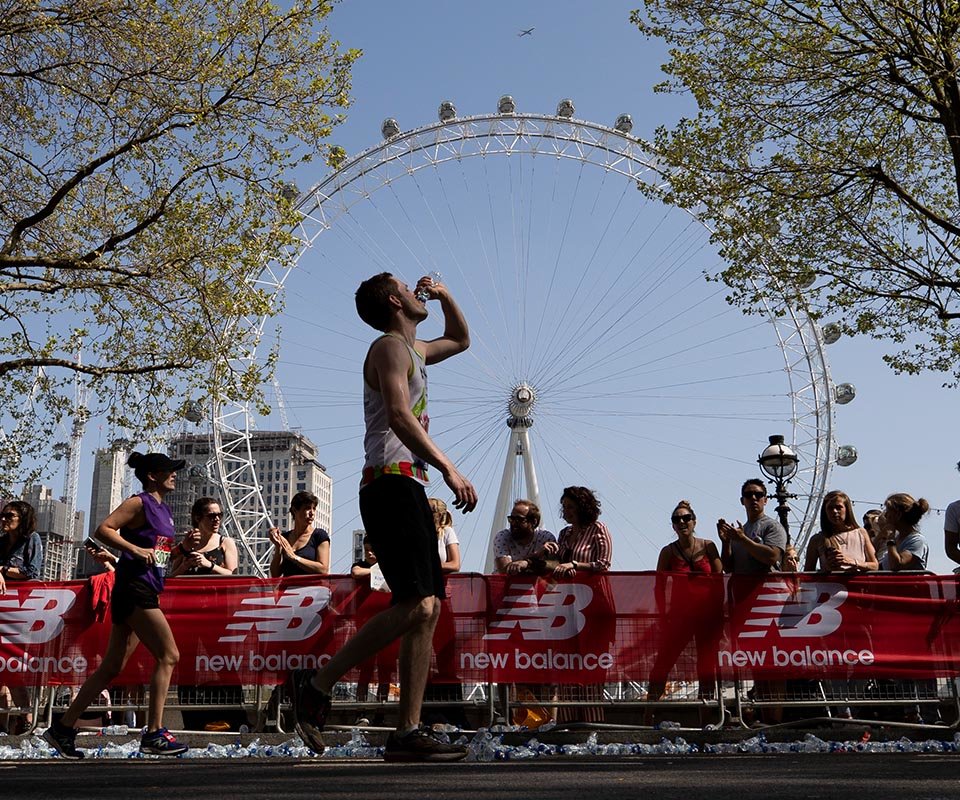
Race day is when all your training comes together, and the shoes you choose can be the difference between just hanging on and finishing strong. On these hard efforts, you want running shoes that feel light, springy, and truly race‑ready, helping you turn your fitness into free speed without dragging you down or disrupting your stride. A race usually means running at or close to your fastest sustainable pace over a set distance (like a 5K, 10K, half marathon, or marathon) so every detail in your kit matters more than it does on an easy training run.
What makes a race day shoe different?
Race shoes (often called racing shoes or “supershoes”) are lightweight performance models designed to maximise speed and efficiency, usually with high-rebound foams and a stiff plate in the midsole. The plate, often carbon fibre, works like a spring, helping you roll through your stride and push off with less energy per step, which can improve running efficiency by a few per cent over long distances. These shoes feel more aggressive and responsive than daily trainers, so they are best reserved for races and occasional key workouts rather than every run to preserve durability.
Which race shoe features actually help you run faster?
- Very light overall weight to reduce fatigue over distance.
- High-energy “superfoams” that compress and rebound quickly to return more energy.
- Stiff plates (usually carbon) to stabilise the foam and speed up toe-off.
- Rockered midsole shapes that help you roll forward efficiently at faster paces.

Who should use race-day shoes, and when?
Race day shoes are a strong choice if you are:
- Targeting a time goal or PB at 5K through marathon distance.
- Comfortable running at higher speeds and used to structured training.
- Happy to save them for races and a few tempo or interval sessions to reduce wear.
Top race day shoes to try
Saucony Endorphin Pro – Saucony’s true race‑day supershoe built around a full‑length carbon plate and ultra‑responsive PWRRUN PB foam, designed to help you hold aggressive paces from 5K to marathon. The Speedroll rocker geometry encourages you onto your forefoot and makes it feel easier to keep turning the legs over late in the race.
On Cloudboom Strike – On’s latest carbon‑plated marathon racer, using ultra‑responsive Helion HF hyper foam and a spoon‑shaped 100% carbon Speedboard to turn each stride into powerful forward momentum. The cushioned yet springy ride suits runners who want a distinctive, bouncy feel and efficient roll‑through for long road races.
New Balance Fuelcell Supercomp Elite V5 – New Balance’s marathon racer, pairing a full‑length carbon plate with energetic FuelCell foam and Energy Arc geometry to help you lock into pace and roll smoothly through each stride. The high stack and propulsive feel make it a strong option for chasing PBs from half marathon up to 26.2 miles.
If you are new to running, you can still race in a well-fitting daily running shoe and introduce race shoes when you feel ready for more performance-focused gear. Always test them in at least one faster session or longer run before race day so there are no surprises.
Ready to feel the difference? Browse the full Carbon Plate & Race Day Shoes range at Runners Need to compare stack heights, plate designs and fit before choosing your race partner.


Tempo Run
Running comfortably hard to build speed and endurance
What ‘tempo run’ really means in practice
A tempo run (or threshold run) is a sustained, “comfortably hard” workout where you run faster than your easy pace but slower than an all-out effort. Most tempo runs last 20–40 minutes at this effort, often around the pace you could hold for a 10K to half-marathon race. The tempo run means in practical terms: you are working hard, breathing deeper, but you can still maintain the pace without sprinting.
How do tempo runs make you faster on race day?
Tempo runs train your body to handle and clear lactate more efficiently, which helps you maintain a faster pace for longer without “blowing up”. They improve running economy, making each step more efficient at your race paces, and build mental resilience for the tough middle stages of races. Regular tempo sessions can boost both speed and endurance, offering a strong “bang for your buck” workout in a busy training week.
Sync your GPS watch to Strava to analyse your splits post-run. Checking your pace graph ensures you actually held that steady, 'comfortably hard' effort rather than accidentally sprinting the first mile and fading.
How to structure a tempo run step by step
- Warm up: Jog easily for 10–15 minutes, adding a few short strides to wake up your legs.
- Set your pace: Aim for a comfortably hard effort, roughly 80–90% of your max effort, or a pace you could hold for about an hour.
- Run the tempo block: Start with 15–20 minutes and build up to 30–40 minutes as your fitness improves.
- Cool down: Finish with 5–10 minutes of easy running and some light stretching to aid recovery.
Beginners can break the tempo into blocks. For example, 3 x 8 minutes at tempo pace with 2–3 minutes easy jogging between, before progressing to continuous efforts.

What are tempo run shoes and when do you need them?
Tempo run shoes are trainers designed for faster workouts such as tempo runs, threshold efforts and interval sessions. They usually sit between daily running shoes and full race shoes, with more energy return and a snappier feel than everyday trainers but more cushioning and durability than ultra-light racing models. Some tempo shoes use nylon or partial plates and firmer foams to support quick transitions without feeling too harsh.
What should you look for in the best tempo run shoes...
- Lightweight build but not as stripped-back as a pure racer.
- Responsive foam that feels “bouncy” or energetic at pace.
- Slightly firmer ride and secure fit for stable foot placement when running fast.
- Optional nylon or less aggressive plates for extra pop without full race-day stiffness.
Best tempo run shoes for faster training
Saucony Endorphin Speed 4/5 – A classic tempo favourite, using a semi‑rigid nylon plate and responsive PWRRUN PB foam to balance propulsion with enough flex for frequent training. Perfect for tempo runs, intervals and “B” races if you prefer something more forgiving than a full carbon shoe.
HOKA Mach 6 – Lightweight, rocker‑shaped trainer with a snappy foam feel that works brilliantly for tempo runs and progression runs while staying durable enough for regular mileage. A good choice if you like a smooth, rolling ride at faster paces.
New Balance Rebel V5 – A lightweight FuelCell trainer that feels lively at tempo pace, with soft yet responsive cushioning and a natural, agile ride that works well for faster blocks inside your weekly training. Ideal if you want one shoe to cover tempo runs, steady efforts and the odd interval session without the full stiffness of a carbon plate.
Practical Tips for Better Tempo Runs
- Use a flat or gently rolling route for even pacing.
- Don’t start too fast. Consistency beats speed spikes.
- Track heart rate (aim for 80–88% of max HR as a guide).
- Rotate shoes to match workouts: tempo/race pairs for faster days, daily trainers for recovery runs.
- Add a recovery or easy day after every hard tempo session
Shop Tempo Run & Speed Training Shoes at Runners Need to find responsive trainers tuned for pace, efficiency and confidence at tempo.


Daily Run
Running easy, regular miles to grow your base
Easy daily runs are the backbone of your training
A daily run is any regular, mostly easy‑to‑steady outing that quietly builds your weekly mileage and aerobic base, one comfortable mile at a time. These runs are typically done at a conversational pace, where you could chat in full sentences, keep breathing under control and feel like you could comfortably carry on beyond the end of the route. By staying relaxed rather than chasing the watch, daily runs support recovery between harder sessions and gradually strengthen your heart, lungs and muscles over time, without leaving you feeling drained for tomorrow’s workout.
Run at a genuinely easy effort to test your shoes and kit in everyday conditions, and absorb the benefits of tempo runs and long runs without adding the same level of stress. When most of your running lives in this comfortable zone, you create the consistency that really moves the needle, giving you the fitness to handle big sessions and the freshness to enjoy them.
Because your daily trainers will soak up the bulk of your weekly mileage, it’s a great idea to log your shoes in the Strava gear tracker. This helps you monitor their wear and tear so you know exactly when it’s time to replace them before the cushioning breaks down.
What are daily running shoes and how are they different from tempo or race shoes?
Daily running shoes (or daily trainers) are versatile shoes built for comfort, durability and reliable support on a wide variety of runs. They are generally more cushioned and robust than tempo or race shoes and are designed to cope with repeated use across many miles. You might use them for easy runs, recovery days, gentle progression runs and even some steadier long runs.
What makes a great all‑round daily trainer?
- Balanced cushioning that feels protective but not overly soft.
- A stable platform that supports your natural stride over time.
- Durable materials and outsole rubber to handle frequent training.
- Comfortable upper fit that works with your usual socks and, if needed, orthotics.

Can one pair of shoes really do it all?
If you run a few times a week, a single pair of well‑chosen daily running shoes can comfortably cover daily runs, some long runs and even your first races. As your training volume or race goals grow, adding a tempo shoe and a race shoe gives you more targeted support and keeps each pair fresher for longer.
Everyday trainers that suit most runs
ASICS Gel‑Nimbus 28 – A plush neutral daily trainer with soft cushioning and a smooth transition, ideal for easy runs, steady efforts and even some long runs if you like extra comfort. Great if you want one shoe that can quietly handle almost everything.
Brooks Ghost 17 – A daily running shoe known for its balanced cushioning and reliable fit, now updated with lighter foams and options for different widths. A strong “safe bet” if you prioritise comfort, consistency and versatility.
HOKA Clifton 10 – Lightweight, moderately cushioned daily trainer with a distinctive rocker that encourages an easy roll through your stride on everyday miles. Often favoured by runners who like a soft feel without sacrificing too much responsiveness.
Explore Daily Road Running Shoes at Runners Need for dependable models that suit commuting runs, lunchtime miles and everything in between.

Long Run
Running longer and easier to build lasting endurance
Defining what really counts as a long run in your training week
A long run is usually the biggest outing in your training week, the one that stands out on the plan when you look ahead. For newer runners, that might mean 60–90 minutes at an easy pace, while half and full marathon plans often extend these outings to two hours or more as your fitness grows. The key is that this run feels notably longer than your other sessions and is placed so you have enough recovery on either side to absorb the workload. The effort should stay easy to steady; you can talk in full sentences, because the goal is time on feet, not speed. Over the weeks, gradually stretching this run helps your body and mind get used to being out there for longer, so race day distance feels familiar rather than intimidating.
Why consistent long runs quietly build your half and marathon breakthrough
Regular long runs place your heart and lungs under steady demand for an extended period, which improves circulation and helps your body move oxygen to working muscles more effectively. Spending longer at easy effort also trains you to tap into fat as a fuel source, so you preserve glycogen for the later stages of a race and delay that heavy‑legged feeling. Muscles, tendons and joints adapt to the repeated impact too, so they cope better when fatigue sets in after many miles.
These sessions double as rehearsal: you practise pacing, fuelling, hydration and kit choices over realistic distances, so fewer variables are left to chance on race day. Because the intensity stays mostly low, you collect all these benefits without leaving yourself so tired that your quality workouts in the week start to suffer.
What should long‑run shoes do that your other shoes don’t?
Shoes for long runs have one main job: help your legs feel fresher during and after big‑mileage days. They usually pack more foam underfoot to soak up impact, often with a higher stack and a rockered shape that keeps your stride feeling smooth when form starts to fade. Some runners prefer neutral models that let the foot move naturally, while others rely on added structure to keep things steadier as they tire. Compared with race‑day supershoes or snappy tempo trainers, long‑run models can feel softer and more forgiving, prioritising support and protection over raw speed. Many runners rotate a plusher version of their daily trainer for long outings, while others keep a specific max‑cushion pair for weekend epics so it always feels fresh and ready when the longest run of the week comes around.


Which cushioning and support features matter most for long runs…
- Generous cushioning to absorb repetitive impact and protect your joints.
- A stable base and midfoot support to keep your form tidy when you get tired.
- Smooth, rockered transitions to help you roll through your stride with less effort.
- A secure upper that prevents rubbing and hotspots over time.
Best shoes for big weekend miles
On Cloudmonster 2 – Max‑stack neutral trainer with oversized CloudTec cushioning and a rolling rocker that takes the sting out of long runs while still feeling a little lively when you pick up the pace.
HOKA Bondi 9 – One of the most cushioned shoes in HOKA’s line‑up, delivering a very protective, stable ride that shines on easy‑pace long runs and high‑mileage marathon build‑ups.
Puma Magnify Nitro 3 – High‑stack daily trainer using soft, bouncy Nitro foam to keep long‑run impact low while offering a smooth, energetic feel that can handle both steady cruising and light uptempo segments.
Browse Long-Distance & Maximum Cushion Shoes at Runners Need for options that support marathon training and big weekend runs.
How to Match Shoes to Your Run Type
Race day vs tempo vs daily vs long: what’s the difference?
| Run Type | Primary Goal | Ideal Shoe Type | When To Priotise It |
|---|---|---|---|
| Race Day | Maximum speedand performance | Lightweight race shoes | Key events and time trials when every second counts |
| Tempo Run | Pace, efficiency, threshold fitness | Responsive tempo run shoes | Weekly faster workouts, threshold efforts and intervals |
| Daily Run | Consistent training and recovery | Versatile daily running shoes | Most weekly mileage, easy and recovery runs |
| Long Run | Endurance and time on feet | Cushioned long‑run/daily shoes | Weekly long runs and distance‑focused sessions |
Rotating between race shoes, tempo trainers, daily running shoes and long-run shoes changes how stress is distributed across your muscles and joints, which may lower injury risk and extend the life of each pair.
So...What's Your Run?

FAQs
A tempo run is a sustained effort run at a “comfortably hard” pace that you can hold for around 20–40 minutes. It usually sits between your easy pace and your 10K–half marathon race pace, helping you build speed and endurance together.
Most runners only need one tempo run per week to see benefits. As your fitness improves, you can gradually extend the length of the tempo block or add a second, lighter quality session, but you should still keep most other runs easy.
The best tempo run shoes are lightweight, responsive trainers that feel lively at pace but still cushioned enough for regular use. Look for models marketed as “speed trainers” or “tempo shoes” that sit between your daily trainers and full race shoes.
Tempo shoes are designed for regular fast training, so they tend to be slightly more cushioned and durable. Race shoes are usually the lightest, most aggressive option with the springiest foams and stiffest plates, reserved for race day and a few key sessions.
You can do some training in your race shoes, especially tempo runs or intervals, to get used to how they feel. However, most runners use daily trainers or tempo shoes for the bulk of their training and save race shoes for key workouts and race day to preserve their performance.
The best daily running shoes balance cushioning, support and responsiveness so they feel good on short and long runs alike. Look for a stable platform, reliable grip and an upper that fits securely without rubbing, then choose the model that matches your gait and preferred feel.
If you run a few times a week, one good daily trainer can handle both daily runs and long runs. Higher-mileage runners or those preparing for longer races often add a more cushioned or supportive long-run shoe to stay comfortable on their biggest sessions.
A long run is usually your longest run of the week and focuses on time on feet rather than speed. For many runners this starts around 60–90 minutes, increasing as you build towards distances like the half marathon or marathon.
Long-run shoes should offer generous cushioning, a stable base and smooth transitions to help you stay comfortable as fatigue builds. A secure, breathable upper that prevents rubbing is also important, especially when you are out for more than an hour.
Many runners find two or three pairs work well: one daily trainer, one tempo or speed shoe, and an optional dedicated race shoe. This simple rotation lets each pair do what it does best and can help spread out wear and tear.
For a first 5K or 10K, a well-fitting daily running shoe is usually enough to train and race comfortably. As you start chasing time goals or longer distances, you can add a tempo shoe or race shoe to get more out of your key workouts and race day.
Related articles
Let us know you agree to cookies
We use marketing, analytical and functional cookies as well as similar technologies to give you the best experience. Third parties, including social media platforms, often place tracking cookies on our site to show you personalised adverts outside of our website. We store your cookie preferences for two years and you can edit your preferences via ‘manage cookies’ or through the cookie policy at the bottom of every page. For more information, please see our cookie policy.