

-10%


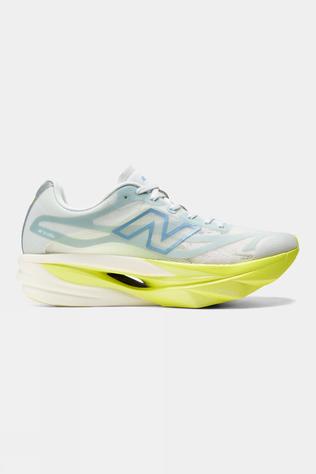
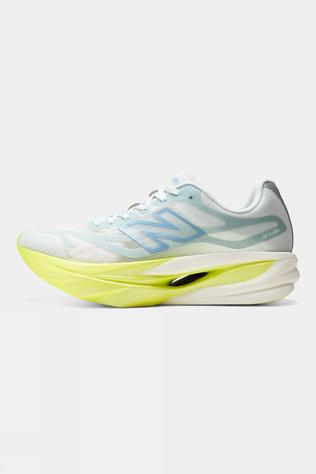


Winter running shoes grip wet tarmac, keep feet dry and handle muddy paths. Look for outsoles (the rubber underneath the shoe) with deeper lugs and tread patterns that shed mud and water.
Waterproof running shoes with a Gore-Tex membrane (a thin layer that blocks water but allows sweat to escape) suit cold, wet runs and slushy commutes. Standard breathable shoes work better on mild, dry days because they release heat faster.
Road runners training for a 5K or half marathon should choose cushioned daily trainers with reliable grip. Trail runners need aggressive lugs and a protective upper for muddy routes. Commuters and gym-goers benefit from hard-wearing shoes that cope with puddles and cold pavements.
Running shoes typically lose their cushioning after 300 to 500 miles. Autumn is a smart time to replace a worn pair and save 10% while doing it.
Shop the 10% off autumn winter running shoes sale at Runners Need and find the right pair for colder, wetter miles.
We use marketing, analytical and functional cookies as well as similar technologies to give you the best experience. Third parties, including social media platforms, often place tracking cookies on our site to show you personalised adverts outside of our website. We store your cookie preferences for two years and you can edit your preferences via ‘manage cookies’ or through the cookie policy at the bottom of every page. For more information, please see our cookie policy.


