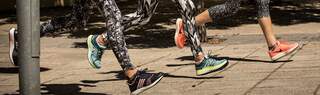
Carbon plate running shoes have changed road running, they now appear at local parkruns, major marathons, and club training sessions across the UK.
Many runners ask the same question: do carbon plate running shoes really make a difference? The short answer is yes. Carbon plate running shoes can help runners move more efficiently and maintain pace for longer, however they do not replace training, fitness, or race preparation. They can, however, help runners get more from the fitness they have already built.
This guide explains what carbon plate running shoes are, how carbon plated running shoes work, who should use them, and how to get the best performance from running shoes with carbon plate technology.
What are Carbon Plate Running Shoes?
Carbon plate running shoes combine lightweight foam with a rigid carbon fibre plate placed inside the midsole.
The carbon plate works with the foam to create a more efficient running experience. The plate helps reduce energy loss during toe-off, and the foam stores and returns energy with each stride.
The result is a shoe that can help runners maintain speed with less effort compared with some traditional racing shoes.
Modern carbon plated running shoes are commonly used for:
- Road races from 5K to marathon distance
- Fast training sessions
- Tempo runs
- Half marathons
- Marathon racing
- Competitive club events
Elite athletes predominantly use carbon plate running shoes, with larger numbers of recreational runners now using the same technology to chase personal bests and improve race-day performance.

What Makes Carbon Plate Shoes Different from Standard Running Shoes?
Traditional running shoes focus on cushioning, support, and daily mileage. They are designed to provide comfort over longer distances and repeated use, helping to absorb impact and reduce strain on the joints. These shoes prioritise durability and stability, making them a reliable choice for easy runs, recovery sessions, and general training.
Carbon plate running shoes focus on forward momentum and energy return by adding stiffness to the shoe and creating a spring-like sensation during running. The embedded carbon fibre plate works by limiting how much the shoe bends, helping to guide the foot through a more efficient stride. This creates a propulsive feel that can make running at faster paces feel smoother and more controlled.
Another key difference is the use of advanced midsole foams in carbon plate shoes. These foams are typically lighter, softer, and far more responsive than those found in standard trainers. When combined with the plate, they compress and rebound quickly, returning more energy to the runner with each step and helping to reduce fatigue over time.
Carbon plate shoes can also subtly influence running mechanics by encouraging a quicker turnover and a more forward-leaning stride. This can improve running economy, especially during races or tempo efforts, where efficiency becomes increasingly important. However, this design can feel less natural for some runners, particularly at slower paces.
Despite their performance benefits, carbon plate shoes are generally less versatile than traditional running shoes. They tend to have a shorter lifespan, reduced stability, and are not always ideal for daily training. For most runners, they are best reserved for race day or specific high-intensity sessions where their performance advantages can be fully utilised.

Why do Carbon Plate Running Shoes Improve Performance?
Performance gains come from the interaction between the carbon plate and modern performance foams.
The plate helps stabilise the foam during loading, with the foam compressing and rebounding during each stride. This combination helps runners use less energy at a given pace.
Research has shown that carbon plate running shoes can improve running economy, which measures how much oxygen and energy a runner uses at a specific speed.
Better running economy means a runner may maintain pace more efficiently over long distances.
Key performance benefits include:
- Improved energy return
- Better running efficiency
- Reduced muscular fatigue during long races
- Faster transitions from heel strike to toe-off
- Greater pace consistency over race distance
Runners often notice the biggest benefit during the final stages of a half marathon or marathon when fatigue starts to build.
When Should you use Carbon Plate Running Shoes?
Carbon plate running shoes perform best when used for specific sessions and events, with runners achieving the best balance of performance and shoe longevity by reserving carbon plate shoes for key workouts and races.
Good uses include:
Race day remains the most common use for carbon plated running shoes.
The efficiency benefits become more valuable as race distance increases, so runners will often save carbon plate shoes for:
- 5K races
- 10K races
- Half marathons
- Marathons
- Road ultras
Tempo runs help runners build sustained speed.
Carbon plate running shoes can help runners practise race pace while experiencing the same feel they expect on race day.
Marathon runners often include race pace blocks within long runs.
Using carbon plate shoes occasionally during these sessions helps runners understand pacing, fuelling, and biomechanics before race day.

Are Carbon Plate Running Shoes Good for Beginners?
Carbon plate running shoes can benefit beginner runners, but beginner runners do not need carbon plate shoes to enjoy running or complete a first race.
A new runner gains more from consistent training, suitable footwear, and gradual progression.
A beginner runner preparing for a first 10K or half marathon may still enjoy the responsive feel of a carbon plate shoe, but the decision often depends on goals, budget, and training frequency.
New runners usually prefer to build mileage in a daily trainer before investing in a dedicated race shoe.
What Pace do you Need to Run to Benefit from Carbon Plate Shoes?
There is no minimum pace requirement.
Runners assume carbon plate shoes only help elite athletes, however they can help to improve efficiency across a wide range of running speeds.
Faster runners may notice larger absolute time gains, whereas recreational runners can still benefit from improved running economy and reduced fatigue.


Choosing the Right Carbon Plate Running Shoe for Your Goals
Not all carbon plate running shoes feel the same.
Some models prioritise maximum speed. Other models prioritise stability and longer-distance efficiency.
The best choice depends on how and where you run.
Look for:
- Predictable ride characteristics
- Stable platform
- Moderate stack height
- Smooth transitions
A highly aggressive racing shoe may feel unfamiliar to a runner with limited race experience.
Look for:
- Versatility
- Reliable grip on urban surfaces
- Efficient ride for short, fast sessions
A commuter runner often needs one shoe that can handle structured training around a busy schedule.
Look for:
- Efficient cruising pace performance
- Balanced cushioning
- Strong energy return
Half-marathon runners often benefit from a shoe that feels efficient for over 90 minutes of running.
Look for:
- Long-distance stability
- High-energy foam
- Consistent performance late in races
Marathon racing places unique demands on the body. A shoe that remains efficient after 20 miles can be particularly valuable.
- Look for:Stable landings
- Controlled transitions
- Versatility across training sessions
A dedicated road racing shoe may not always suit mixed fitness training environments.

Common Mistakes when using Carbon Plate Running Shoes
Carbon plate running shoes work best when runners understand their strengths and limitations.
Avoid these common mistakes:
Wearing carbon plate shoes for every run
Carbon plate shoes are often expensive and built for performance.
Daily mileage can reduce lifespan more quickly than necessary, so runners may benefit from rotating carbon plate shoes with everyday trainers.
Trying a new pair on race day
Race day is not the time for surprises.
Complete several key sessions in the shoe before racing as familiarity helps reduce uncertainty and improves confidence.
Ignoring fit
A fast shoe still needs the correct fit.
Heel security, toe room, and midfoot hold remain important for race performance.
Chasing technology instead of training
Carbon plate shoes support performance, they do not replace structured training.
Fitness remains the biggest factor in race results.
How to Get the Most from Carbon Plate Running Shoes
A simple approach often works best.
Develop consistent weekly mileage before focusing heavily on racing technology.
Start with short tempo runs or intervals.
Allow muscles and tendons time to adapt to the different ride feel.
Reserve carbon plate shoes for sessions that closely match race demands.
Examples include:
- Threshold runs
- Tempo sessions
- Race pace workouts
- Fast long-run segments
Use training sessions to test:
- Pacing
- Fuelling
- Sock choice
- Lacing adjustments
Small details can make a meaningful difference over longer distances.
Runners will often keep race shoes in good condition by limiting unnecessary mileage before key events.

Do Carbon Plate Running Shoes Work on Different Surfaces?
Can you use carbon plate running shoes for everyday running?
Carbon plate running shoes can handle everyday running, although most carbon plate running shoes perform best during faster efforts and races.
Daily trainers provide a more forgiving experience for easy recovery miles.
Can carbon plate shoes be used on trails?
Most carbon plate running shoes are built for roads and paved paths.
Light gravel paths may be suitable in dry conditions. Technical trails, muddy routes, and rocky terrain usually require dedicated trail running footwear.
Trail-specific plated shoes now exist, but trail runners should prioritise grip, stability, and surface suitability before focusing on plate technology.
The Future of Carbon Plate Running Shoes
Carbon plate technology continues to evolve.
Brands are experimenting with new plate shapes, foam compounds, and geometry concepts. Future developments will likely focus on balancing speed, stability, and accessibility for a broader range of runners.
The biggest trend is simple. Carbon plate running shoes are no longer reserved for elite athletes, they are now a realistic option for runners chasing personal bests at every level.
Final Thoughts
Carbon plate running shoes have changed the way large numbers of runners approach training and racing. They can provide improved efficiency, support pace maintenance, and help runners make the most of race-day fitness. The biggest benefits often appear when carbon plate running shoes are used strategically rather than for every run. The right shoe, paired with consistent training, can help runners approach their next goal with greater confidence.
Explore the latest carbon plate running shoes at Runners Need and find the right option for your next personal best.
FAQs
Carbon plate running shoes are running shoes that combine responsive foam with a carbon fibre plate to improve running efficiency and energy return.
Carbon plate running shoes can help runners maintain pace more efficiently. Carbon plate running shoes support performance but do not replace training and fitness.
Many runners use carbon plate running shoes for racing, tempo runs, and key workouts. Most runners still complete easy mileage in traditional training shoes.
Lifespan varies by model, runner weight, running style, and usage. Many runners reserve carbon plated running shoes for important sessions to maximise performance life.
Carbon plate running shoes are widely used for marathon racing because carbon plate running shoes can help reduce fatigue and improve running economy over long distances.
Let us know you agree to cookies
We use marketing, analytical and functional cookies as well as similar technologies to give you the best experience. Third parties, including social media platforms, often place tracking cookies on our site to show you personalised adverts outside of our website. We store your cookie preferences for two years and you can edit your preferences via ‘manage cookies’ or through the cookie policy at the bottom of every page. For more information, please see our cookie policy.