


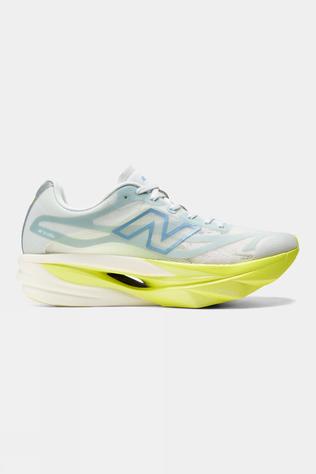
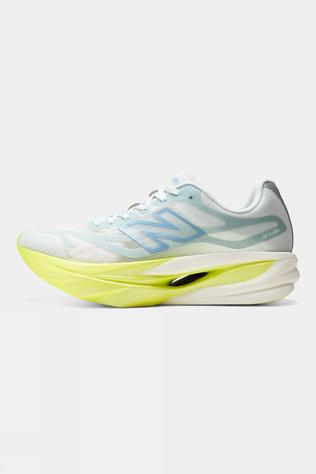


Neutral running shoes are cushioned running shoes without built-in stability features such as firm medial posts or guide rails. They suit runners whose feet land fairly evenly and do not roll inward much. The shoes absorb impact and support your natural stride, which makes them a good fit for road running, long runs and marathon training.
Neutral running shoes suit many runners with flat feet, especially when the foot rolls in only slightly. Soft cushioning helps absorb impact. Runners whose flat feet collapse inward strongly may feel more comfortable in a stability shoe.
Runners with mild overpronation, where the foot rolls inward slightly, can often run in neutral shoes comfortably. Runners with moderate to strong overpronation usually feel steadier and more protected in stability shoes, particularly over long distances.
Neutral running shoes cushion your natural stride without steering the foot. Stability running shoes add firmer support, often on the inner side of the midsole, to limit inward roll. Neutral shoes suit even landings, while stability shoes suit overpronators.
Yes. Runners with high arches often prefer neutral running shoes because high arches tend to absorb less impact naturally. Soft, cushioned midsoles help spread landing forces and keep long runs feeling smooth.
Check the wear pattern on your old shoes. Even wear across the sole points to neutral shoes, while heavy wear along the inner edge suggests overpronation and stability shoes. A gait analysis in store gives a clearer answer.
We use marketing, analytical and functional cookies as well as similar technologies to give you the best experience. Third parties, including social media platforms, often place tracking cookies on our site to show you personalised adverts outside of our website. We store your cookie preferences for two years and you can edit your preferences via ‘manage cookies’ or through the cookie policy at the bottom of every page. For more information, please see our cookie policy.


